Wildfire Prevention: Can We Stop Lightning Before It Strikes?
Wildfires are becoming more frequent and destructive, but what if we could stop them before they even start? A Canadian startup, Skyward Wildfire, claims it can prevent lightning strikes—the primary cause of many wildfires—using advanced technology. This bold approach raises critical questions: Is this feasible? And if so, should we pursue it?
The Science Behind Lightning Prevention
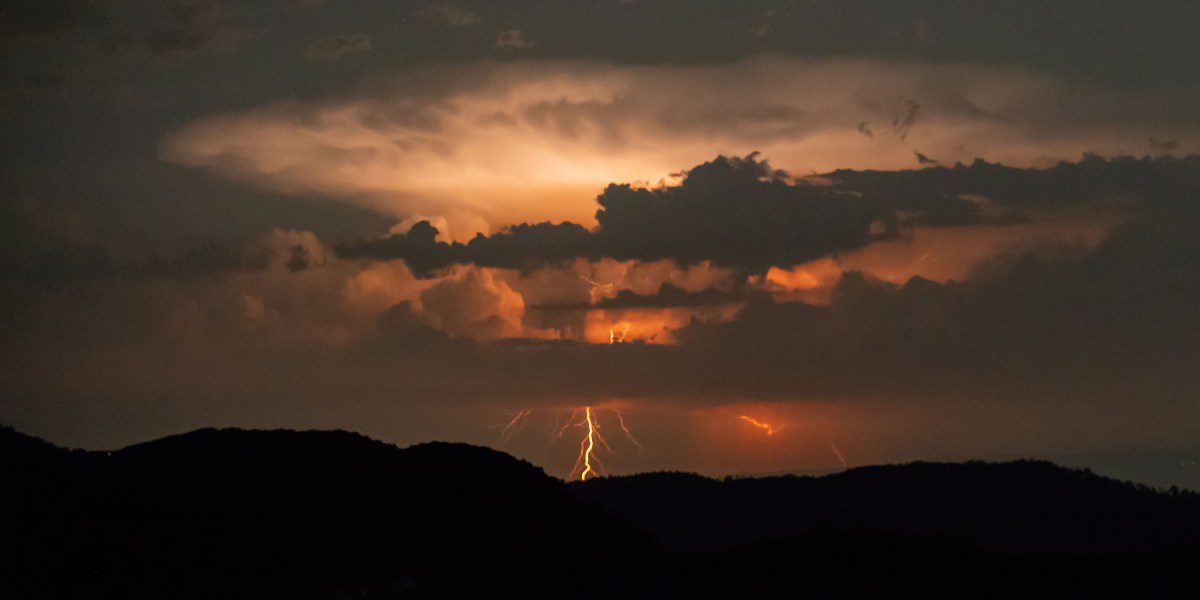
Lightning occurs when static electricity builds up in storm clouds, creating a discharge that can ignite dry vegetation. Skyward’s solution involves deploying metallic chaff—fiberglass strands coated in aluminum—to disrupt this charge buildup. The theory is simple: by acting as a conductor, the chaff reduces the electric field intensity needed for a lightning strike to occur.
How Does It Work?
- Static Discharge Mechanism: Lightning forms when ice particles collide in clouds, creating a charge separation. Chaff introduces conductive particles to neutralize this imbalance.
- Field Trials: While early experiments in the 1950s showed promise, modern testing remains limited. Skyward has not yet published peer-reviewed data on its effectiveness.
Challenges and Uncertainties
Experts caution that success depends on factors like chaff concentration and atmospheric conditions. For example, high wind speeds might disperse the chaff before it can act. Additionally, the long-term ecological impact of releasing metallic particles into the environment remains unclear.
The Debate: Should We Stop Lightning?
While preventing lightning could reduce fire risk, it also raises ethical and ecological concerns. Many ecosystems rely on natural fire cycles to regenerate forests and maintain biodiversity. Overuse of such technology might inadvertently worsen fuel accumulation, leading to more severe fires later.
Expert Perspectives
Phillip Stepanian of MIT Lincoln Laboratory emphasizes the need for careful deployment: “Even if technically viable, we must determine where and when to apply this method to avoid unintended consequences.” Conversely, climate scientist Daniel Swain argues that focusing on ignition prevention misses the root issue—climate change and human encroachment into fire-prone areas.
Alternatives to Consider
- Prescribed Burns: Controlled fires can reduce fuel buildup and mimic natural fire cycles.
- Forest Management: Thinning dense vegetation and creating firebreaks are proven strategies.
Striking a Balance: Innovation vs. Ecosystem Needs
Skyward acknowledges it doesn’t aim to eliminate all wildfires. Instead, the company targets “extreme-risk days” when lightning is most likely to spark uncontrollable blazes. This targeted approach could complement existing methods like prescribed burns, which are often underfunded and restricted by policy.
Key Takeaways
- Lightning prevention is a novel but unproven solution to wildfire risk.
- Ecological balance must guide any technological intervention.
- Combining innovation with traditional methods offers the best path forward.
Conclusion: The Future of Wildfire Prevention
As climate change intensifies wildfires, solutions like Skyward’s chaff technology could play a role—but only if used wisely. The challenge lies in balancing innovation with respect for natural ecosystems. For now, the focus should remain on reducing human-caused fire risks and investing in sustainable forest management.
Ready to explore more about wildfire prevention strategies? Subscribe to our newsletter for updates on cutting-edge climate solutions.
FAQs
1. Can wildfire prevention methods like lightning suppression work?
Early research suggests potential, but real-world effectiveness depends on factors like chaff concentration and weather conditions. More field trials are needed.
2. Why is lightning the focus for wildfire prevention?
Lightning sparks 93% of wildfires in regions like Canada. Targeting this source could reduce large-scale blazes, especially in remote areas.
3. Are there risks to stopping lightning?
Yes. Disrupting natural fire cycles might harm ecosystems adapted to periodic burns. Overuse could also lead to fuel accumulation, increasing fire risk later.
4. How do prescribed burns compare to technological solutions?
Prescribed burns are a proven, cost-effective method for reducing fuel. Technology like chaff may complement these efforts but cannot replace them entirely.
5. What role does climate change play in wildfires?
Warmer temperatures and drier conditions increase fire intensity. Addressing climate change remains critical to long-term wildfire prevention.