Windows 11 Now Powers 72.78% of Desktops – Here’s Why
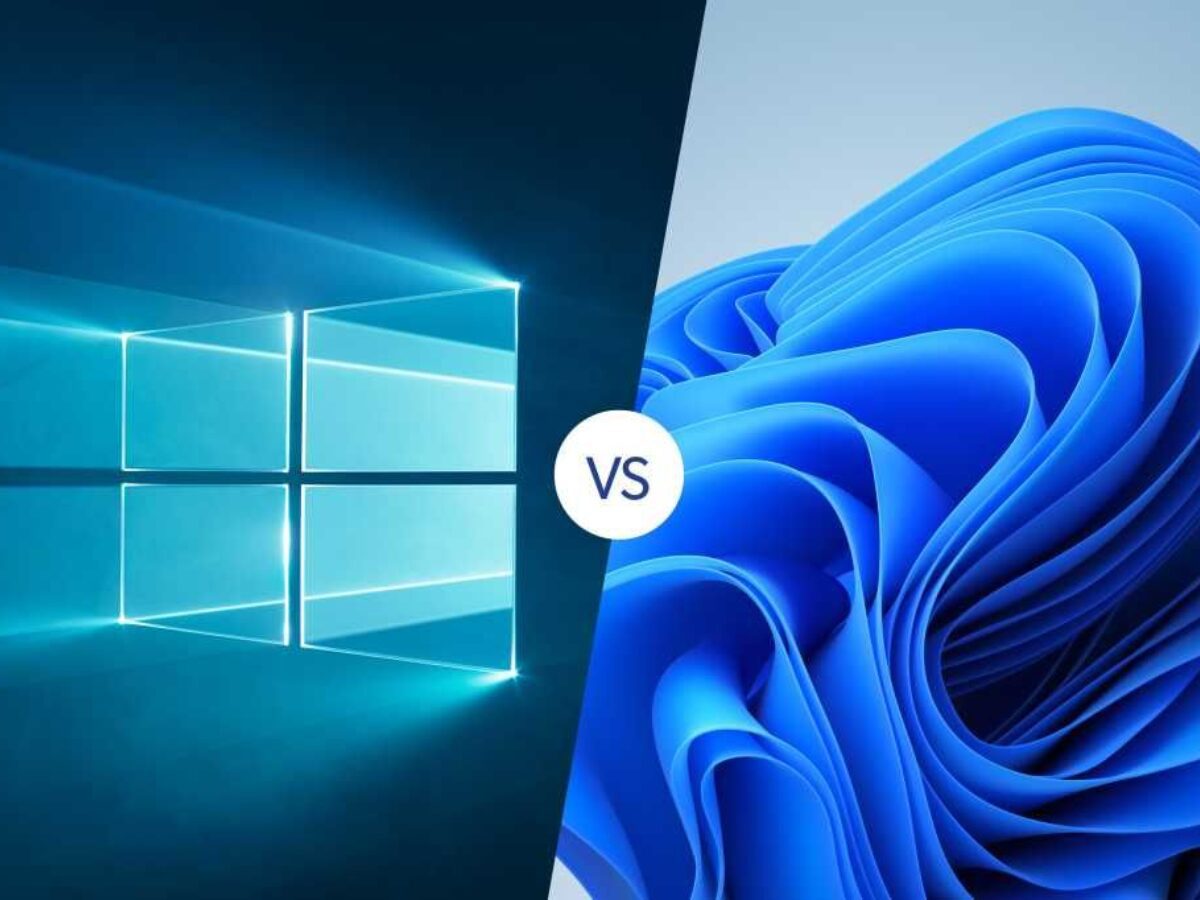
StatCounter data reveals a seismic shift in the Windows ecosystem: Windows 11 now dominates 72.78% of desktops globally, while Windows 10’s share has plummeted to 26.27%. This rapid adoption isn’t just about user enthusiasm—it’s driven by Microsoft’s strategic hardware requirements and Windows 10’s end-of-support timeline.
Why Windows 11’s Market Share is Skyrocketing
The Hardware Requirements Driving the Shift
Microsoft’s strict upgrade criteria are pushing users toward new hardware. Windows 11 mandates:
- TPM 2.0 security chip
- Secure Boot-enabled UEFI firmware
- Modern Intel/AMD CPUs
- Microsoft account integration
These requirements effectively block older systems from upgrading, forcing users to purchase new PCs or face unsupported Windows 10 installations.
Workarounds and Risks for Windows 10 Holdouts
Can You Still Use Windows 10?
Some users bypass hardware checks via registry edits or modified installers. However, Microsoft actively closes these loopholes. Unsupported systems risk:
- No future security updates
- Unstable performance
- BitLocker recovery issues
Alternatives like macOS or Linux are gaining traction among holdouts unwilling to upgrade hardware.
Security Challenges in Windows 11 Adoption
While Windows 11’s security model is robust, recent updates have caused BitLocker recovery prompts for users. This highlights the risks of Microsoft’s tightly integrated security approach, particularly for enterprise environments.
What This Market Shift Means for You
Microsoft’s dominance with Windows 11 reflects a calculated transition, not organic growth. Whether this enforces long-term security or pushes users to alternatives depends on Microsoft’s ability to balance security with user trust.
FAQs About Windows 11 Market Share
1. How did Windows 11 surpass 72% market share?
Microsoft’s hardware requirements and Windows 10’s end-of-support deadline accelerated adoption, pushing users toward new hardware or alternative platforms.
2. Can I bypass Windows 11 hardware checks?
Workarounds exist, but Microsoft actively blocks them. Unsupported systems risk instability and lack future updates.
3. Is Windows 11 more secure than Windows 10?
Yes, but its security model introduces new risks like BitLocker recovery issues. Users must weigh these tradeoffs carefully.
4. What happens to Windows 10 after support ends?
Unpatched systems become security vulnerabilities. Microsoft urges users to upgrade or switch platforms.
5. Should I upgrade to Windows 11?
Upgrade if your hardware meets requirements. Otherwise, consider Linux or macOS for continued support.