Introduction to Wireless Charging
Wireless charging has become a staple in our daily lives, offering a convenient way to refuel our phones without the hassle of cables. However, it’s essential to understand that wireless charging isn’t exactly wireless, as a cord still runs from the outlet to the charging pad. Additionally, it won’t charge your smartphone faster than plugging it in with a traditional cord.
Meanwhile, the benefits of wireless charging lie in its convenience, allowing you to simply place your phone on a pad without having to fumble for cables in the dark. For example, if you’re looking for a reliable wireless charging stand, the Nomad Stand One (4th Gen, Qi2 25W) is a great option, supporting both MagSafe and Qi2 wireless charging.
How Wireless Charging Works
Wireless charging uses the Qi standard, which allows for easy alignment and faster charging rates. However, not all phones support wireless charging, so it’s crucial to check your phone’s specifications before purchasing a wireless charger. Furthermore, some phones may support the latest Qi2 standard, which offers faster charging rates and more efficient energy transfer.
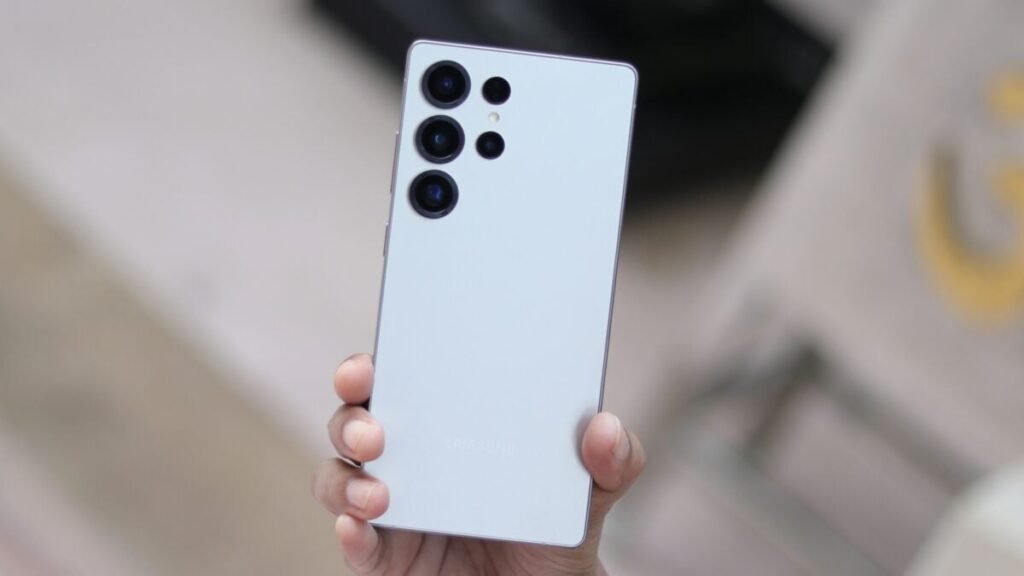
Moreover, phones that are Qi2 Ready, like Samsung’s Galaxy S25 series, can enable Qi2 functionality with a Qi2 Ready case that has magnets inside. This means you can take advantage of faster charging rates and more efficient energy transfer. Additionally, the latest Qi2 25W update allows for a maximum charging rate of 25 watts, making it an attractive option for those who want faster wireless charging.
Wireless Charging Safety and Battery Health
There’s no definitive evidence that wireless charging is harmful to your phone’s battery. Manufacturers set safe limits for phone batteries, ensuring that they can’t be overcharged. Therefore, you don’t have to worry about leaving your phone on a wireless charger all night. Nevertheless, it’s still important to keep your battery between 50 and 80 percent for optimum battery health.
Meanwhile, if you’re concerned about your phone’s battery health, try to avoid keeping it fully charged or fully discharging it, as this can degrade the battery slightly faster. However, with recent advancements in battery technology, phone batteries are more reliable than ever, and you don’t have to worry too much about how often or when you charge your phone.
Best Wireless Chargers
When it comes to choosing the best wireless charger, there are several options available. For instance, the Nomad Stand One (4th Gen, Qi2 25W) is a great choice, offering a weighty mix of metal and glass in black or white, with padding in all the right places. Additionally, the Anker PowerWave Pad and Stand are budget-friendly options that prove you don’t need to spend much for wireless charging.
Finally, when selecting a wireless charger, consider the compatibility, wattage, and extra features that come with it. Look for a charger that supports your phone’s wireless charging standard and has a high wattage for faster charging. Moreover, consider the design and build quality of the charger, as well as any additional features like a braided cable or a 40-watt charger.
Conclusion
In conclusion, wireless charging is a convenient and easy way to refuel your phone without the hassle of cables. While it may not be the fastest way to charge your phone, it’s perfect for desks or nightstands when you’re not in a rush to recharge. Therefore, if you’re looking for a reliable and efficient wireless charging solution, consider the Nomad Stand One (4th Gen, Qi2 25W) or the Anker PowerWave Pad and Stand.
Frequently Asked Questions
Q: Does my phone support wireless charging? A: Check your phone’s specifications to see if it supports wireless charging. Look for the Qi standard or MagSafe compatibility.
Q: Can I use a wireless charger with a phone case? A: Yes, most wireless chargers can charge through cases, unless it’s a particularly thick case. Check the product listing for case thickness limits.
Q: Is wireless charging safe for my phone’s battery? A: Yes, wireless charging is safe for your phone’s battery. Manufacturers set safe limits to prevent overcharging, and you can’t override these limits.
Q: What’s the fastest wireless charging speed? A: The latest Qi2 25W standard allows for charging up to 25 watts. However, the maximum charging rate may vary depending on your phone and charger.
Q: Can I use a wireless charger with a MagSafe or Qi2 phone? A: Yes, you can use a wireless charger with a MagSafe or Qi2 phone. Look for a charger that supports your phone’s wireless charging standard.