X Drowns in Disinformation After US-Israeli Iran Attack
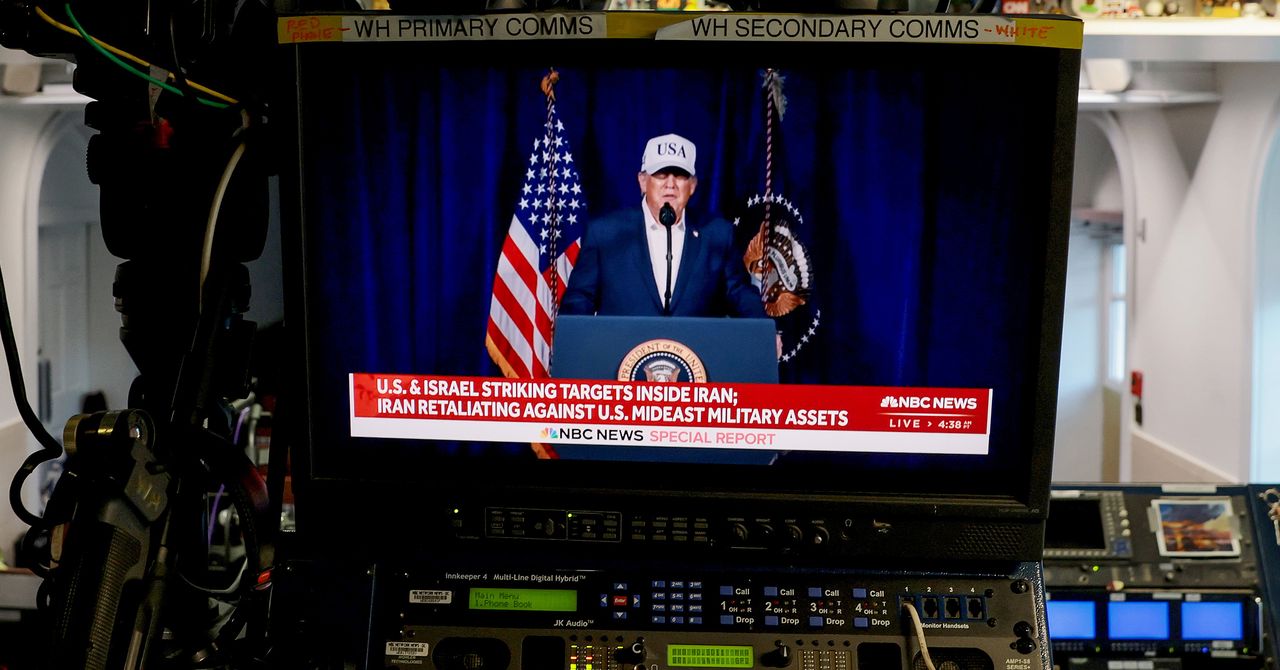
Minutes after President Donald Trump announced a joint US-Israeli attack on Iran, social media platform X became a flood zone for misleading claims. WIRED reviewed hundreds of posts showing how disinformation spread rapidly, blurring the line between fact and fiction.
How Disinformation Spread on X
Within hours of the attack, X was awash with manipulated content. Users shared:
- Outdated footage: Videos claiming to show real-time missile strikes were actually from October 2024.
- AI-generated images: A pro-Iranian account posted a fake image of a destroyed American radar in Qatar.
- Video game clips: Footage from games was passed off as actual combat scenes.
Verified Accounts Amplify Falsehoods
Accounts with blue check marks—often verified users—shared viral disinformation. One post falsely claimed Iranian missiles hit an Israeli port, using footage from a 2023 attack in Syria. Another showed a “before and after” of Iran’s Supreme Leader’s palace, mixing images from two different locations.
Why X Struggles to Curb Misinformation
Under Elon Musk’s leadership, X has become a hotspot for unverified content. While some posts include community notes to correct errors, the damage is already done. For example:
- A 3.5 million-viewed clip falsely showed an Israeli jet shot down over Iran.
- A pro-Trump account claimed Khamenei’s palace was destroyed, using a mausoleum image instead.
What Users Can Do
Combat disinformation by:
- Verifying sources: Cross-check claims with trusted news outlets.
- Checking timestamps: Look for outdated footage in viral videos.
- Reporting AI-generated content: Flag suspicious images using X’s tools.
Conclusion: The Need for Accountability
X’s current model rewards engagement over accuracy. Until platforms prioritize truth over virality, disinformation will continue to thrive. Users must stay vigilant and demand better moderation.
FAQs
How can users identify X disinformation?
Look for outdated footage, AI-generated images, and mismatched locations in shared content.
Why do verified accounts spread false claims?
Verified users often gain followers and revenue from viral posts, even if the content is misleading.
Can X fix its disinformation problem?
Only if it prioritizes fact-checking over engagement metrics and enforces stricter content policies.
What role does AI play in spreading misinformation?
AI-generated images and deepfakes are increasingly used to create convincing but false narratives.
How can governments address this issue?
Regulations could require platforms to label AI-generated content and penalize repeated disinformation.