Introduction: When a Brand Loses Its Way
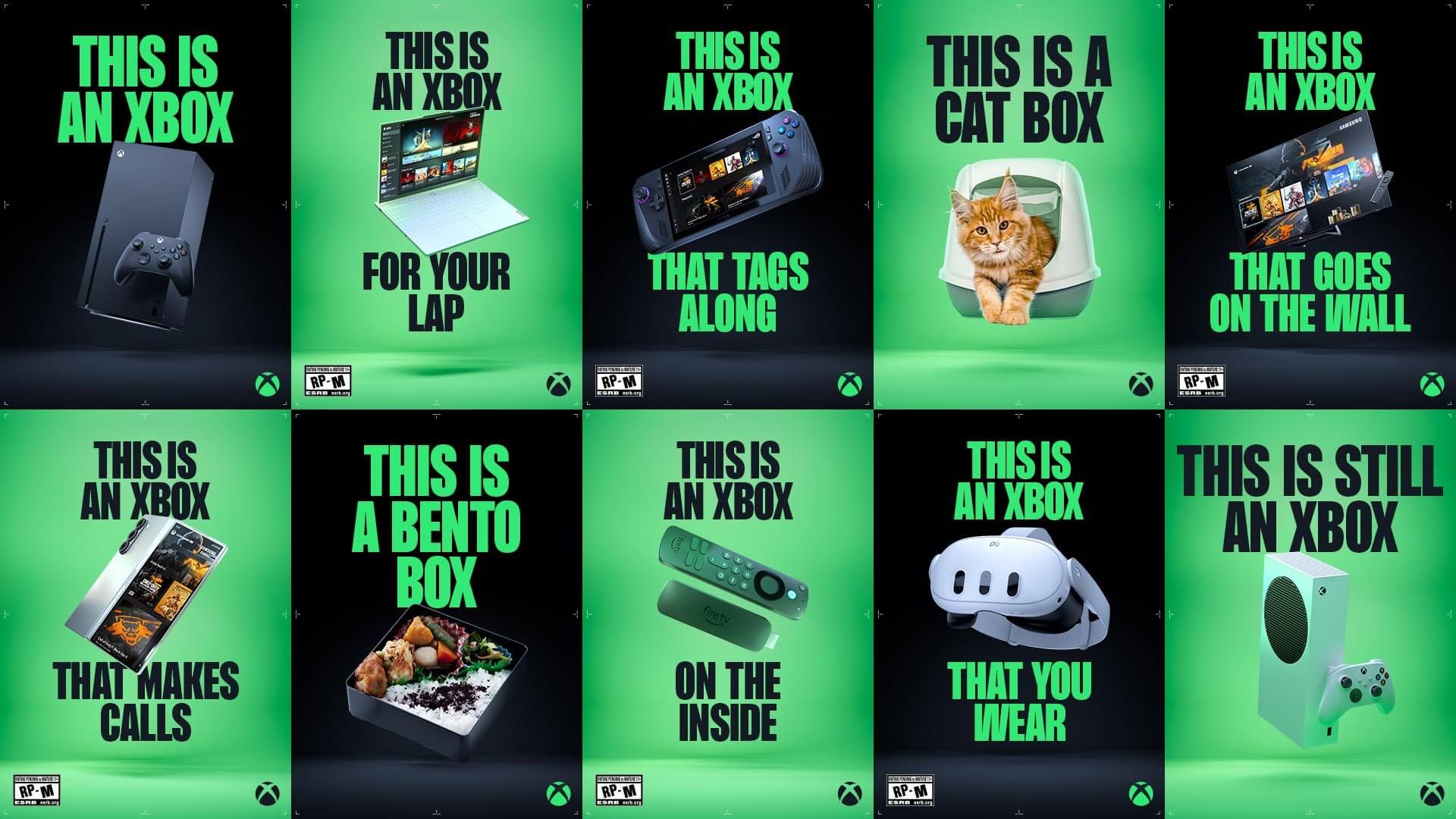
Brands evolve. Sometimes, they stumble. Microsoft’s recent decision to scrap its “This is Xbox” campaign—despite its initial success—highlights a bold move to realign the Xbox brand with its core identity. The campaign, which aimed to showcase Xbox’s versatility, ultimately felt disconnected from what fans expect from the platform. Now, Microsoft is doubling down on a strategy that prioritizes authenticity over broad appeal.
The Problem with ‘This is Xbox’
The “This is Xbox” campaign, launched in 2023, sought to redefine the brand as a lifestyle hub for gaming, streaming, and social interaction. However, feedback from gamers and critics revealed a disconnect. For many, the campaign diluted Xbox’s identity as a serious gaming platform. The tagline, while catchy, failed to resonate with the core audience that values Xbox for its exclusive titles and competitive multiplayer experiences.
Why the Campaign Fell Flat
- Overreach: The campaign tried to appeal to too many audiences, from casual streamers to hardcore gamers.
- Lack of Focus: It didn’t emphasize Xbox’s strengths, such as backward compatibility and exclusive franchises like Halo and Forza.
- Brand Confusion: Gamers questioned whether Microsoft was abandoning its roots for a more generic tech brand.
Microsoft’s New Gaming Strategy
Under the leadership of new gaming boss Phil Spencer, Microsoft is pivoting back to fundamentals. The revised strategy centers on three pillars: authenticity, innovation, and community. This shift isn’t just about marketing—it’s a full-scale Xbox brand transformation that impacts product development, content creation, and user engagement.
Focusing on Core Xbox Values
Microsoft is now emphasizing what makes Xbox unique:
- Exclusive Titles: Investing in franchises like Starfield and Halo to attract dedicated gamers.
- Cloud Gaming: Expanding Xbox Cloud Gaming to make high-end titles accessible on any device.
- Community Building: Strengthening Xbox Live with features that connect players globally.
Embracing Innovation and Community
The new approach also prioritizes listening to gamers. Microsoft has launched surveys and focus groups to understand what players want. Early results show a growing appetite for more transparent communication and co-creation opportunities, such as beta testing and fan-driven content.
What This Means for Xbox Gamers
For fans, the Xbox brand transformation signals a return to what matters most: quality games, reliable hardware, and a sense of belonging. Here’s what to expect:
Expect More Authentic Content
Marketing will shift from broad slogans to storytelling that highlights real player experiences. Expect fewer generic ads and more content that celebrates the community, like developer Q&As and fan art showcases.
A Stronger, More Connected Brand
Microsoft plans to integrate Xbox more deeply into its ecosystem. For example, Xbox Game Pass will expand to include more indie titles, and the Xbox app will offer cross-platform features for Windows and mobile users.
Conclusion: A Bolder Xbox Ahead
Microsoft’s decision to axe the “This is Xbox” campaign proves that even the biggest brands must stay true to their roots. By refocusing on authenticity and community, the Xbox brand transformation sets the stage for a more connected, innovative future. Gamers can look forward to a platform that listens, evolves, and delivers what they love most. Stay tuned for updates—and share your thoughts in the comments below!