
Xbox Leadership Shakeup: What’s Next for Microsoft Gaming?
Microsoft’s gaming division is undergoing a major transformation. Phil Spencer, the long-time leader who turned Xbox into a global powerhouse, has announced his retirement. His departure marks the end of an era—and raises urgent questions about Microsoft’s future in gaming. Meanwhile, Samsung’s Galaxy S26 lineup introduces privacy-focused innovations that could redefine smartphone design. Let’s unpack these developments and what they mean for gamers and tech enthusiasts.
Xbox Leadership Shakeup: A New Era for Microsoft Gaming?
Phil Spencer’s Retirement and Asha Sharma’s New Role
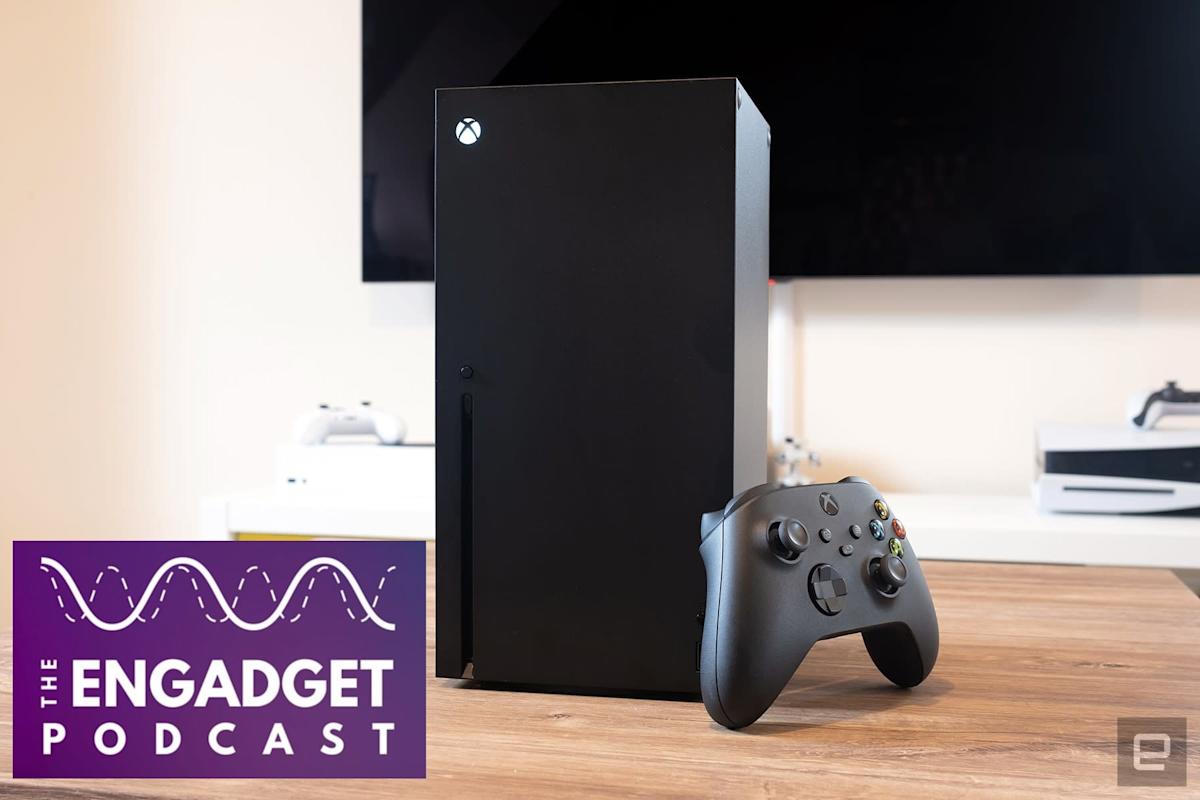
Phil Spencer’s retirement after 12 years at the helm of Xbox has sent shockwaves through the gaming industry. The former CEO, who oversaw the launch of the Xbox Series X and Microsoft’s $7.5 billion acquisition of Activision Blizzard, will be replaced by Asha Sharma, Microsoft’s former CoreAI CEO. This shift signals a strategic pivot toward AI integration in gaming—a move that could either revitalize Xbox or deepen its struggles against competitors like Sony and Nintendo.
Why Sarah Bond’s Exit Matters
Sarah Bond, Spencer’s longtime deputy, is also leaving the company. Her departure removes a key figure who helped shape Xbox’s cloud gaming and hardware strategies. With Bond gone and Sharma stepping in, Microsoft faces a leadership vacuum at a critical juncture. Analysts speculate that Sharma’s AI expertise could lead to bold experiments, such as AI-driven game development or personalized gaming experiences—but only time will tell if this gamble pays off.
Samsung Galaxy S26: Privacy Features Steal the Show
The Galaxy S26 Ultra’s Privacy Display
Samsung’s Galaxy S26 lineup debuted with a striking new feature: a privacy display that instantly blurs the screen when someone nearby tries to peek. The Ultra model’s privacy mode uses sensors to detect nearby faces and activates a privacy shield in milliseconds. This innovation, first seen in high-end laptops, could become a standard feature in smartphones, especially as data privacy concerns grow.
Design and AI Integration
While the Galaxy S26’s design resembles last year’s models, its AI capabilities are more advanced. Samsung promises faster AI-powered photo editing, real-time language translation, and smarter voice assistants. These upgrades align with the industry’s push toward on-device AI, reducing reliance on cloud computing for privacy and speed.
What This Means for Gamers and Tech Users
Microsoft’s leadership changes and Samsung’s privacy innovations highlight two key trends: the AI arms race and the growing emphasis on user privacy. For Xbox, the challenge is clear—can Sharma rebuild momentum in a market where PlayStation 5 sales are surging? For Samsung, the Galaxy S26’s privacy features could set a new standard for smartphone security.








