XM30 Combat Vehicle Program: Army’s Strategic Shift Explained
In June 2023, the U.S. Army paused its XM30 Mechanized Infantry Combat Vehicle program at Milestone B, a critical step in military acquisition. This decision, made by Army Chief Gen. Randy George and Secretary Dan Driscoll, has sparked speculation about the future of the program—a project that has spanned decades and multiple iterations. Let’s break down what this means for the XM30 and the Army’s evolving priorities.
Why the Army Halted the XM30 Combat Vehicle Program
The Army’s decision to withhold final approval for the XM30’s Engineering and Manufacturing Development phase was not a rejection of the program itself. Instead, it signals a deliberate effort to reassess the project’s direction. According to Army spokesperson Maj. Pete Nguyen, the goal is to avoid “locking into a specific design” and to foster competition among potential contractors.
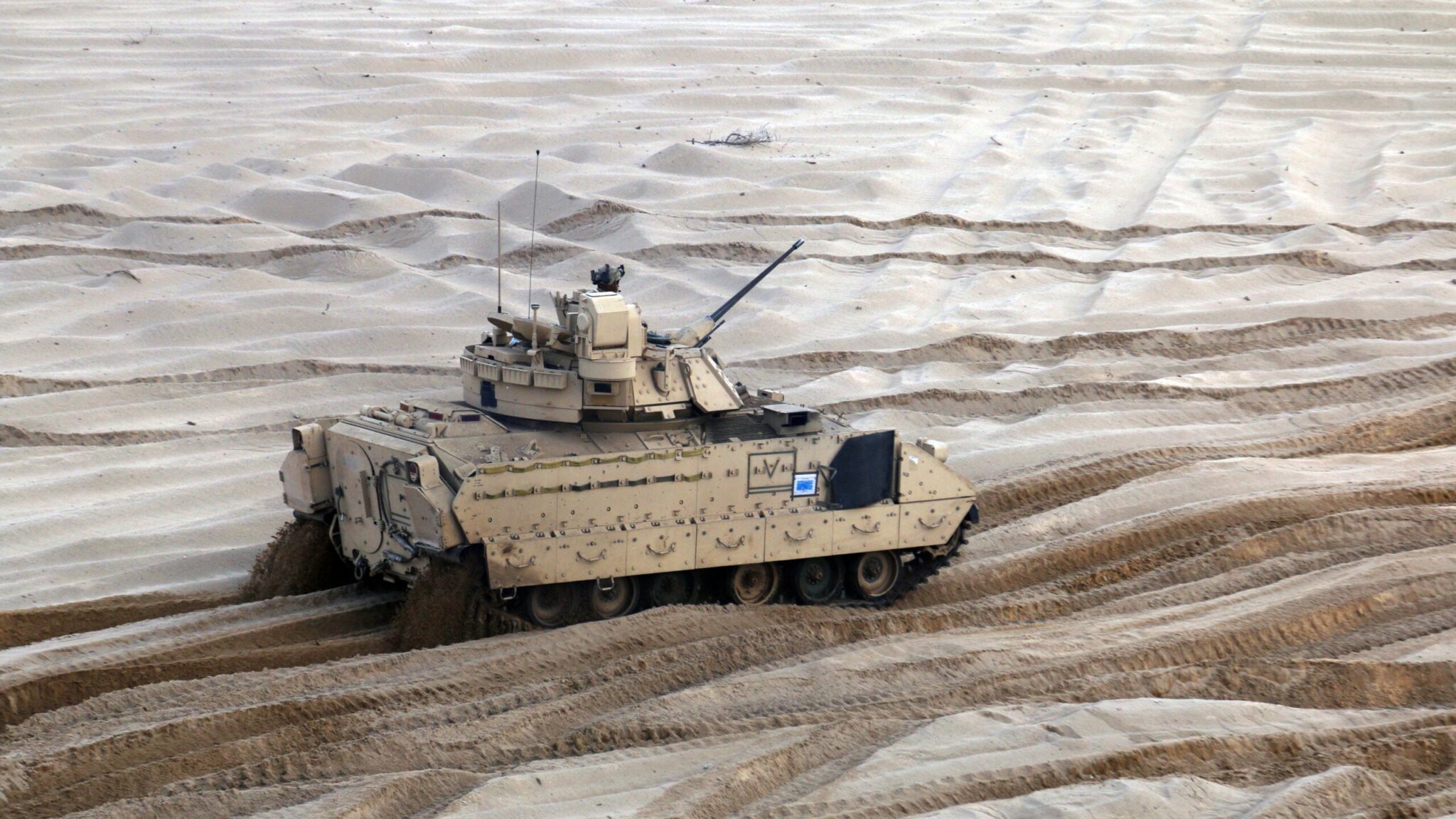
“We must break the cycle of slow, bureaucratic acquisition,” Nguyen emphasized. The XM30 is intended to replace the aging Bradley Fighting Vehicle, a platform that has served since the 1980s. However, the Army’s latest attempt to modernize this capability has faced delays and design challenges.
Exploring Alternatives: The RFI Strategy
Recent developments suggest the Army is actively seeking alternatives to the current XM30 design. A Request for Information (RFI) has raised eyebrows among defense analysts, as it hints at a broader evaluation of non-traditional and commercial vendors. While the RFI doesn’t explicitly mention the XM30, sources indicate it could accelerate or even overhaul the competition.
- Pressure on Contractors: American Rheinmetall and General Dynamics Land Systems (GDLS) remain key players, but the RFI introduces urgency to their prototyping efforts.
- Flexibility Over Rigidity: By keeping multiple design options open, the Army aims to avoid past pitfalls of inflexible acquisition processes.
What This Means for the Future
Retired Army Maj. Gen. John Ferrari notes that the RFI “likely” signals a revamp of the XM30 program. Even if it doesn’t, the move could force contractors to expedite timelines. The Army’s focus on “cutting-edge solutions” aligns with Secretary Pete Hegseth’s push for faster, more agile defense procurement.
For soldiers, the XM30 represents a critical modernization effort. The vehicle must balance mobility, protection, and firepower in an era of hybrid warfare. The Army’s willingness to pause and reassess reflects a growing recognition that rigid, decades-long programs no longer meet operational needs.
FAQs About the XM30 Combat Vehicle Program
1. What is the XM30 Combat Vehicle program?
The XM30 is a next-generation mechanized infantry vehicle designed to replace the Bradley Fighting Vehicle. It aims to deliver advanced mobility, survivability, and firepower.
2. Why did the Army halt the XM30 program at Milestone B?
To avoid committing to a flawed design and to explore alternative solutions, including non-traditional vendors, while maintaining competition among existing contractors.
3. How does the RFI impact the XM30 program?
The RFI allows the Army to evaluate new concepts and accelerate timelines, potentially leading to a revised XM30 design or a new competition altogether.
4. What are the risks of delaying the XM30 program?
Delays risk leaving the Army without a modernized infantry vehicle for years, potentially compromising readiness in high-intensity conflicts.
5. Will the XM30 replace the Bradley Fighting Vehicle?
Yes, but the Army is re-evaluating the XM30’s design to ensure it meets current and future operational requirements.
Call to Action: Stay informed about military modernization efforts. Follow our blog for updates on the XM30 program and its implications for U.S. Army readiness.